
Roel Lopez
Secretary
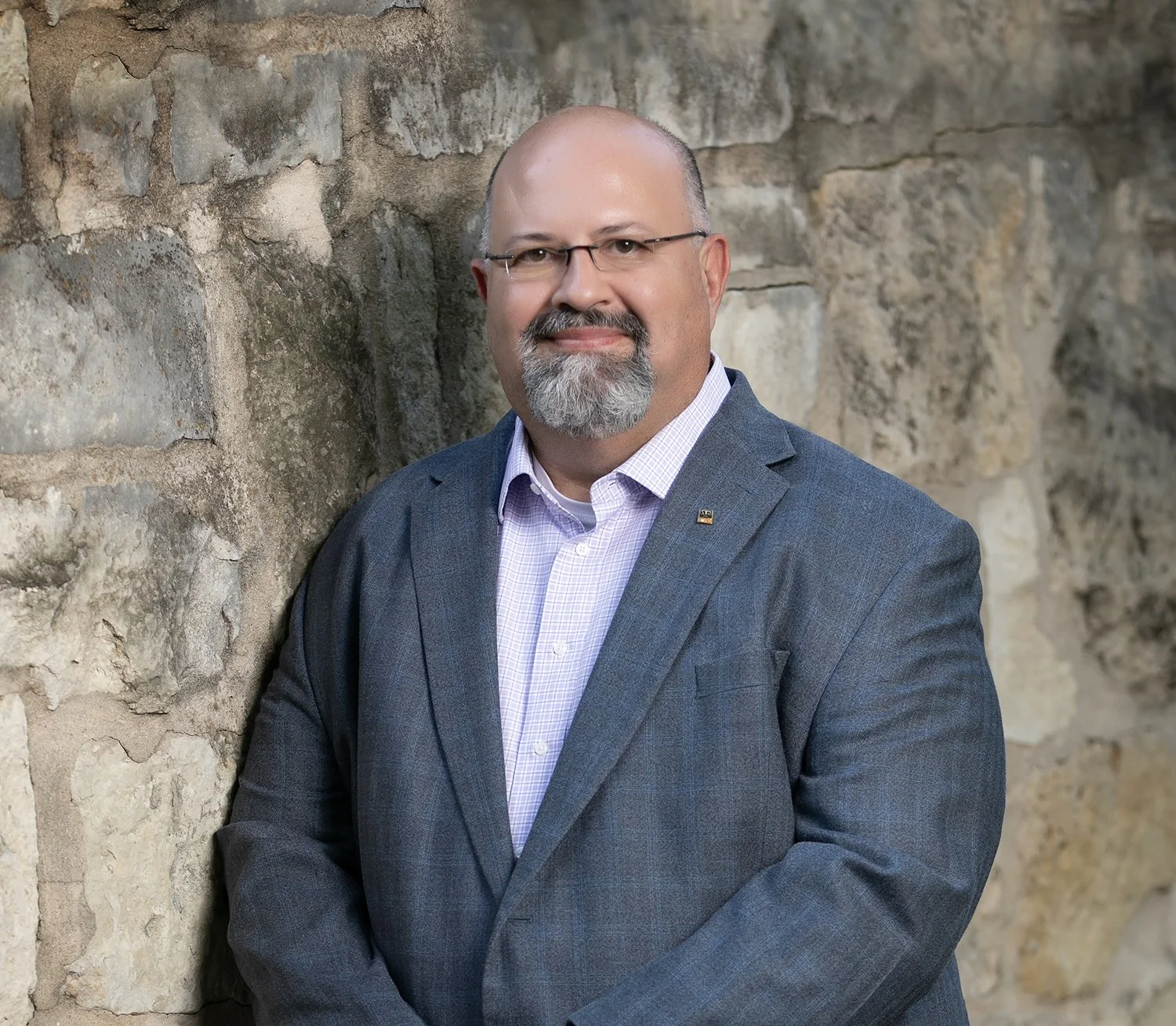
As the Director of the Texas A&M Natural Resources Institute, Dr. Roel Lopez uses data to tell the story of Texas’ changing landscape.
“My team works to identify the trends, and the drivers behind them, that are reshaping Texas. Organizations like TALT need numbers, photos and analysis to support their passion when they make the case for conserving Texas’ working lands,” said Lopez, whose family has ranched in Starr County for the last six generations. “By basing decisions on current, fact-based information, TALT can be nimble, responsive and pro-active.”
Population growth is driving many of the changes. A decade ago, Texas was home to 19 million people. Today, the population is 28 million. In 30 years, that number is projected to be nearly 55 million.
“On the one hand, having more people strengthens our economy and work force, but on the other, it increases the demands placed on our natural resources,” said Lopez, a wildlife biologist who graduated from Stephen F. Austin University and completed his graduate studies at Texas A&M University. “Conserving land in the face of this unrelenting pressure is why the collective efforts of TALT and other like-minded organizations are so important.”
Despite unprecedented population growth, 84 percent of Texas’ land is currently composed of farms, ranches and family forests.
“Maintaining the current landscape is the ideal, but the more practical answer is to be data-driven and smart-minded in how we prioritize and protect the remaining working lands from fragmentation,” Lopez said. “We need to identify areas that have the most potential for continued conservation through private ownership, so we can invest our time and money in ways that pay ecological returns.”
In order to do that, agricultural and conservation groups have to “preach” beyond the choir.
“Those of us who are closely connected to the land and conservation have to reach out to those who are not as closely connected,” Lopez said. “We have to help them see connections they may not realize exist. Our open landscapes, which I believe are the bedrock of Texas’ economy, culture and society, depend on it.”
